Blog

  • ARDHA-MATSYENDRASAN (Spinal – Half Twist Posture)

    ARDHA-MATSYENDRASAN (Spinal – Half Twist Posture)

    — Introduction —

    Ardha Matsyendrasana (अर्धमत्स्येन्द्रासन) is a seated spinal twist named after the great yogi Matsyendranath, one of the founders of Hatha Yoga. “Ardha” means half, and this pose is a simplified version of the full Matsyendrasana. It is known for its profound benefits on the spine, digestive organs, and nervous system. The pose involves a deep seated twist, stimulating internal organs while improving spinal flexibility and posture.

    — Step-by-step Instructions —
    1. Sit on the floor with your legs extended.
    2. Bend the right leg, bringing the heel close to the perineum, and allow the right knee to rest on the floor.
    3. Fold the left leg, keeping the left knee raised.
    4. Cross the left foot over the right thigh and place it flat on the floor, with the toes positioned just outside the right knee.
    5. Gently twist your torso to the left, using the right upper arm to press against the left knee, moving it behind the right shoulder.
    6. Reach down and grasp the left big toe with the right hand.
    7. Deepen the twist by turning the torso further to the left, and place the left hand behind you on the floor, directly opposite the right hand for support.
    8. Turn your head over the left shoulder and gaze in that direction.
    9. Once the posture is established, inhale deeply, then exhale completely and hold the breath (external retention).
    10. During the breath retention, use the right arm as a lever to gently intensify the twist toward the left.
    11. Remain in the final posture for three deep breaths, maintaining the twist with awareness.
    12. To perform on the other side, reverse the positions of the hands and legs.
    13. Practice the alternate side also with external breath retention for three deep breaths.
    — Physical Benefits  —
    • Enhances spinal flexibility and alignment
    • Stimulates liver, kidneys, and digestive organs
    • Helps in relieving constipation and digestive discomfort
    • Tones the abdominal muscles
    • Opens the chest and shoulders
    — Mental & Emotional Benefits  —
    • Reduces fatigue and improves energy flow
    • Enhances concentration and mental clarity
    • Promotes calmness through mindful twisting
    • Encourages release of emotional tension stored in the body
    — Precautions to keep in Mind —
    • Avoid the pose if you have severe spinal injuries, herniated discs, or recent back surgery
    • People with peptic ulcers or hernia should avoid deep twisting
    • Practice with caution during pregnancy and consult a qualified instructor
    • Avoid jerky movements; the twist should be gentle and progressive
    — Beginner’s Tips —
    • Sit on a folded blanket if the hips are tight or the spine tends to round
    • You can keep the bottom leg straight (not folded) if knee discomfort occurs
    • Focus on lengthening the spine before twisting, not just rotating
    • Use the hand behind for gentle support, not to push forcefully into the twist
    — Best Time to Practice —
    • Best practiced in the morning or evening on an empty stomach
    • Ideal before or after forward bends or backbends to balance the spine
    • Can also be used during detox or digestion-focused yoga routines
    — Advanced Variations —
    • Full Matsyendrasana: Involves a deeper twist with both legs folded, usually done in advanced stages.

    — Wrapping Up —

    Ardha Matsyendrasana is a therapeutic and energizing pose that enhances spinal health, digestive strength, and mental clarity. Though it appears simple, it carries deep benefits when performed mindfully. Regular practice promotes physical balance, inner stillness, and a rejuvenated nervous system. Whether you’re working on flexibility or looking for internal detox, this asana is a valuable addition to your yoga routine.
  • YOGASAN or YOG MUDRASAN (Yoga Posture)

    YOGASAN or YOG MUDRASAN (Yoga Posture)

    — Introduction —

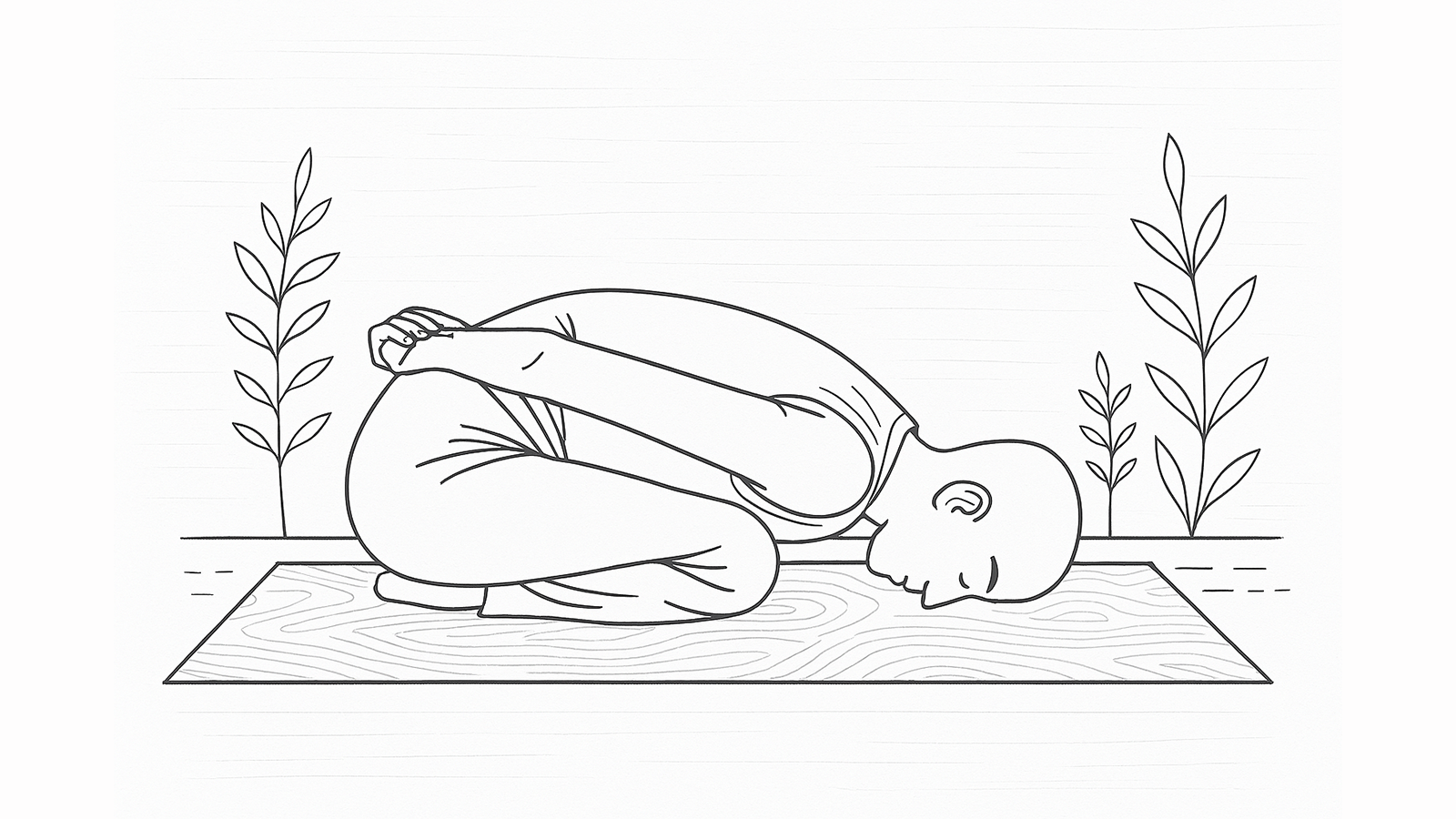
    Yog Mudrasana (योग मुद्रा आसन), or the Psychic Union Pose, is a powerful seated forward-bending posture traditionally performed in Padmasana (Lotus Pose). The term “Yog Mudra” implies the symbolic seal or gesture of yoga, representing surrender, humility, and internal focus. This asana directs pranic energy inward and is highly beneficial in meditation, pranayama, and deep introspective practices. It stimulates abdominal organs and enhances the flow of energy toward the spine and brain.

    — Step-by-step Instructions —
    1. Sit comfortably on the floor in Padmasana (Lotus Pose).
    2. First, place your left foot on the right thigh, ensuring the heel presses gently against the left side of the lower abdomen.
    3. Then, bring your right foot over the left thigh, so that both heels press against either side of the lower abdomen. (You may alternate the leg positioning in future practices.)
    4. The knees should rest on the ground, and the soles of the feet should face upward.
    5. Inhale deeply and exhale fully.
    6. As you exhale, slowly bend forward from the hips.
    7. Bring both arms behind the back and grasp one wrist with the opposite hand.
    8. Once the forward bend is complete, gently touch your chin to the floor and retain the breath (external retention).
    9. After returning to the starting breath, continue the posture with both internal and external breath retentions.
    10. Remain in the final position and practice five full rounds of internal and external breath holding, synchronized with slow, deep breathing.
    11. You do not need to sit upright between breaths—stay in the final position for the entire cycle of practice.
    — Physical Benefits  —
    • Stimulates abdominal organs and improves digestion
    • Enhances flexibility in hips, spine, and shoulders
    • Strengthens the back muscles and stretches hamstrings
    • Helps in relieving constipation and menstrual discomfort
    — Mental & Emotional Benefits  —
    • Induces a calm and meditative state
    • Balances the mind and reduces anxiety and agitation
    • Enhances concentration and mental clarity
    • Supports spiritual focus and inner awareness
    — Precautions to keep in Mind —
    • Avoid if you have severe back problems, spinal disorders, hernia, or recent abdominal surgery
    • Do not perform if you have knee or ankle injuries, especially if Padmasana is uncomfortable
    • Pregnant women should not attempt this pose
    • Do not force the bend; go only as far as is comfortable
    — Beginner’s Tips —
    • Use a strap to hold the wrist or foot if reaching behind is difficult
    • Perform in Ardha Padmasana or Sukhasana if Padmasana is not accessible
    • Focus on slow, deep breathing to aid relaxation and ease into the bend
    — Best Time to Practice —
    • Ideally done early morning on an empty stomach for best results
    • Can also be practiced before or after pranayama and meditation to deepen internal focus
    • Avoid immediately after meals due to pressure on abdominal organs
    — Advanced Variations —
    • Supta Yog Mudrasana: Performed while reclining backward in Padmasana, a deeper version requiring high flexibility.

    — Wrapping Up —

    Yog Mudrasana is a deeply introspective asana that unites body, breath, and awareness. More than just a physical posture, it is a meditative gesture of surrender and self-inquiry, guiding the practitioner inward. While it demands a degree of flexibility and discipline, its spiritual and physiological benefits are profound. With patience and gradual practice, Yog Mudrasana becomes a powerful tool for inner transformation and mental clarity.

  • VAJRASAN (Adamantine Posture)

    VAJRASAN (Adamantine Posture)

    — Introduction —

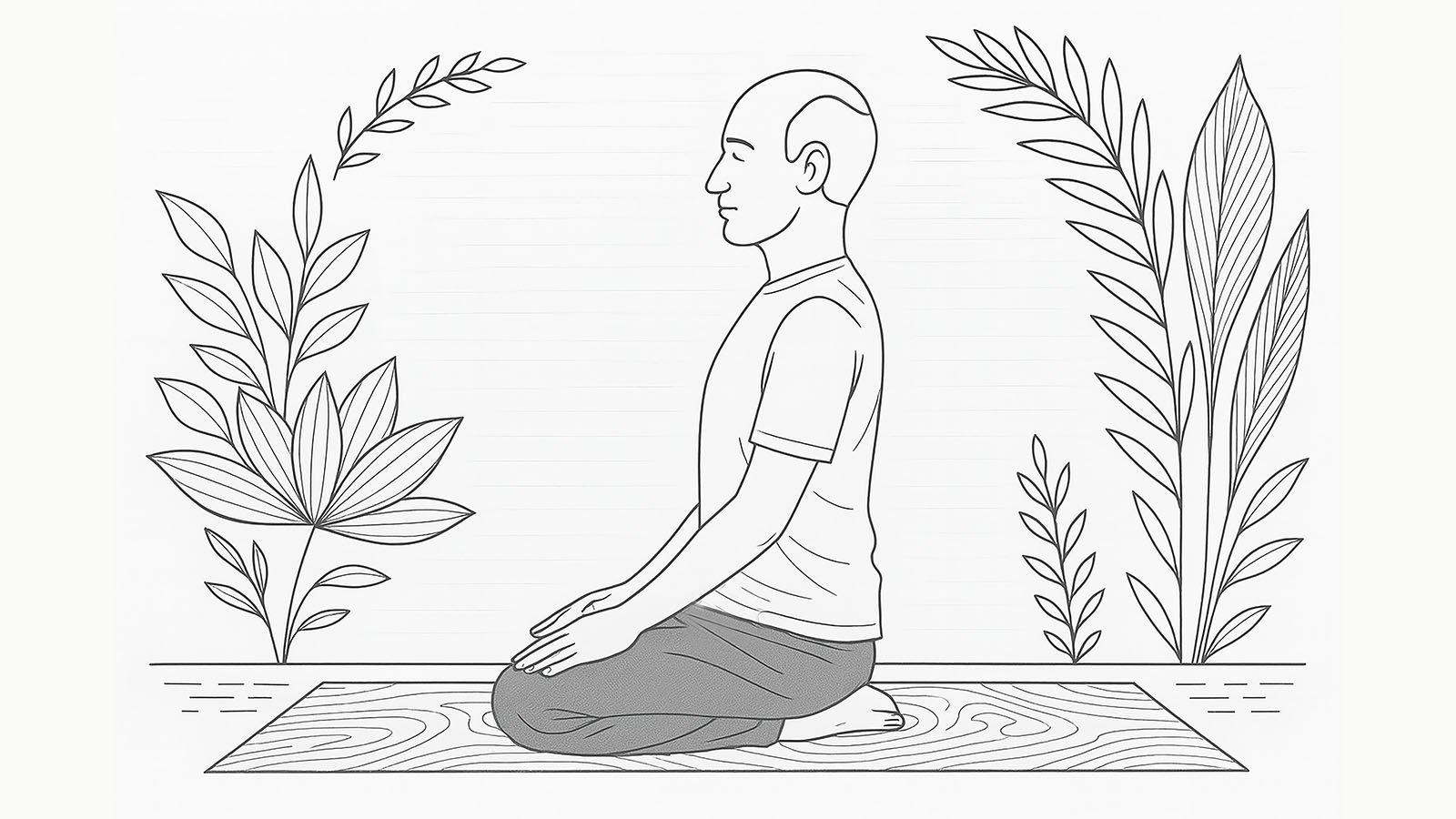
    Vajrasana (वज्रासन), also known as the Thunderbolt Pose or Diamond Pose, is a foundational seated posture in yoga. Unique among asanas, Vajrasana is often practiced immediately after meals due to its beneficial effects on digestion. It is also commonly used as a base posture for meditation, pranayama, and other seated practices. The pose promotes calmness, stability, and internal focus.

    — Step-by-step Instructions —
    1. Begin by kneeling on the floor with your knees close together.
    2. Ensure that the big toes are touching while the heels remain slightly apart.
    3. Gently lower your hips and sit down so that your buttocks rest comfortably between the heels.
    4. Place your palms on your knees, keeping your spine upright and body relaxed.
    5. If using this pose for meditation, close your eyes and breathe naturally, taking slow, deep inhalations and exhalations.
    6. You may also choose to focus your internal gaze (drishti) at the space between the eyebrows for deeper concentration.
    7. When used for internal cleansing or purification, Vajrasana can be combined with Nauli (abdominal churning) and Bandhas (yogic locks) for enhanced benefits.
    — Physical Benefits —
    • Improves digestion and relieves acidity and constipation
    • Strengthens pelvic muscles and tones lower body organs
    • Aids in reducing belly fat and improving posture
    • Supports knee and ankle flexibility over time

    — Mental & Emotional Benefits —
    • Calms the nervous system and reduces stress
    • Encourages grounding and inner stillness
    • Prepares the body and mind for meditation and breath control
    — Precautions to keep in Mind —
    • Avoid Vajrasana if you have severe knee or ankle pain, arthritis, or recent leg injuries.
    • Those with spinal issues or herniated discs should consult a physician or yoga expert before practicing.
    • Pregnant women should modify the posture or consult a qualified instructor.
    • Do not strain your knees; use support like a cushion or folded blanket if needed.
    — Beginner’s Tips —
    • Use a folded blanket or cushion between the heels and hips for added comfort and support.
    • Practice after meals for 5–10 minutes to improve digestion.
    • Keep your spine naturally upright, not overly stiff.
    • If sitting too long causes numbness, stretch your legs gently afterward.
    — Best Time to Practice —
    • Immediately after meals – especially lunch or dinner – to aid digestion.
    • Also suitable during morning or evening sessions for meditation, mantra chanting, or pranayama.
    • Can be used throughout the day as a calming posture.
    — Advanced Variations —
    • Supta Vajrasana (Reclined Thunderbolt Pose): Lie back while keeping the legs in Vajrasana. It gives a deep stretch but requires flexibility in the knees and spine.
    • Parvatasana in Vajrasana: Raise the arms overhead and interlace the fingers, turning the palms upward to stretch the upper body while seated.
    • Kapalbhati or Anulom Vilom in Vajrasana: Practicing pranayama while seated in Vajrasana enhances its calming and digestive benefits.

    — Wrapping Up —

    Vajrasana is a simple yet powerful posture that brings both digestive health and mental stillness. It is especially unique as it is safe to practice after eating and provides a stable base for breathwork and meditation. Regular practice of Vajrasana helps to develop patience, inner awareness, and improved body-mind coordination. For beginners and seasoned practitioners alike, Vajrasana is a vital part of a holistic yoga practice.

  • PADMASAN (The Lotus Posture)

    PADMASAN (The Lotus Posture)

    — Introduction —

    Padmasana, (पद्मासन) or Lotus Pose, is one of the most well-known seated postures in yoga. It symbolizes inner peace and spiritual awakening. Due to its grounding nature and ability to promote stability of body and mind, it is traditionally used for meditation and pranayama practices.

    — Step-by-step Instructions —
    1. Sit on the floor or on a yoga mat with legs stretched straight in front of you (Dandasana).
    2. Bend the right knee and gently place the right foot on top of the left thigh.
    3. The sole should face upward, and the heel should be close to the abdomen.
    4. Bend the left knee and carefully lift the left foot over the right leg, placing it on the right thigh.
    5. Again, the sole should face upward, and the heel should be close to the abdomen.
    6. Adjust both knees to rest comfortably on the ground, with the soles facing up and the spine erect.
    7. Place both hands on the knees in Gyan Mudra (thumb and index finger touching, other fingers extended).
    8. Close your eyes and relax the entire body.
    9. Breathe deeply and evenly. Maintain the posture with stillness.
    10. Hold the pose as long as comfortable, starting with a few minutes and gradually increasing the duration.
    11. To release, gently remove one leg at a time and return to the starting position.

      Note: Depending on flexibility, you can also begin with the left leg over the right thigh.

    — Physical Benefits —
    • Deeply opens the hips and stretches knees and ankles
    • Improves flexibility in lower body joints
    • Helps in developing good posture and spinal alignment
    • Tones the abdomen and stimulates the digestive organs
    • Improves circulation in the pelvic region
    — Mental & Emotional Benefits —
    • Induces a calm and meditative state
    • Balances the mind and reduces anxiety and agitation
    • Enhances concentration and mental clarity
    • Supports spiritual focus and inner awareness
    — Precautions to keep in Mind —
    • Avoid Padmasana if you have knee, ankle, or hip injuries.
    • Those with sciatica or lower back issues should approach this posture with caution or consult a qualified teacher.
    • Do not force your legs into position; the knees are especially vulnerable if the hips are not yet flexible.
    • Pregnant women should consult their healthcare provider before practicing.
    — Beginner’s Tips —
    • Warm up your hips, thighs, and knees with preparatory stretches.
    • Start with Ardha Padmasana (Half Lotus Pose) to gradually build flexibility and stability.
    • Use a folded blanket or cushion under the hips to reduce strain and support spinal alignment.
    • If holding the pose is difficult, try shorter durations and slowly increase as comfort develops.
    • Practice mindfulness of breath and posture, rather than striving for perfection in form.
    — Best Time to Practice —
    • Early morning or evening
    • Always on an empty stomach
    — Advanced Variations —
    • Baddha Padmasana (Bound Lotus Pose):
      – In this variation, after assuming Padmasana, reach both arms behind the back and clasp the toes of opposite feet.
      – This enhances chest opening, shoulder flexibility, and concentration.
    • Yog Mudrasana (Psychic Union Pose):
      – From Padmasana, bend the torso forward and bring the forehead or chin to the floor while keeping the legs in lotus position.
      – This deeply stimulates abdominal organs and is used in advanced pranayama and meditation practices.
    • Utpluthi Padmasana (Tolasana or Lifted Lotus Pose):
      – From Padmasana, place the palms beside the hips and lift the entire body off the ground using arm strength.
      – This strengthens core muscles and arms, and develops strong mental focus.
    • Padmasana in Headstand or Shoulderstand:
      – Advanced practitioners may incorporate the lotus leg position in inversions like Sirsasana or Sarvangasana.
      – These require exceptional hip flexibility and balance.

    — Wrapping Up —

    Padmasana is not just a seated posture; it is a powerful gateway to inner stillness and spiritual focus. Though it demands patience and flexibility, consistent practice gradually leads to ease in the pose. As the body becomes stable and the breath rhythmic, the mind naturally settles into a state of calm awareness. Whether for meditation, breath control, or simply self-discipline, Padmasana holds timeless value in yogic tradition. Beginners are encouraged to honor their current level, progress mindfully, and embrace the journey toward mastery with devotion and discipline.

  • ARDHA-PADMASAN (Half Lotus Pose)

    ARDHA-PADMASAN (Half Lotus Pose)

    — Introduction —

    Ardha Padmasana (अर्ध पद्मासन) is a Sanskrit term where Ardha means “half”, Padma means “lotus”, and Asana means “posture”. It is a sitting pose commonly practiced in yoga and meditation. Classified under Sitting Postures and Meditative Postures, Ardha Padmasana is ideal for beginners as it gently prepares the body for deeper seated positions like full Padmasana, while promoting stability and calmness during practice.

    — Step-by-step Instructions —
    1. Sit on the floor or a yoga mat with legs stretched forward (Dandasana).
    2. Fold the right leg and place the right foot on the left thigh with the sole facing upward.
    3. Fold the left leg and tuck it under the right thigh.
    4. Keep the spine erect and head aligned with the back.
    5. Place your hands on your knees in Gnan Mudra (palms facing up, index finger and thumb touching).
    6. Close your eyes gently and focus on the breath.
    7. Breathe slowly and deeply, maintaining the posture.
    8. Remain in the pose for 1–5 minutes or as per your comfort.

      Note: You can also begin with the left leg over the right thigh depending on flexibility.

    — Physical Benefits of Ardh Padmasan —
    • Gently opens the hips and strengthens the lower joints
    • Improves posture and supports spinal alignment
    • Stimulates abdominal organs and enhances digestion
    • Helps the body adjust for longer meditative sitting

    — Mental & Emotional Benefits of Ardh Padmasan —
    • Calms the mind and reduces stress and anxiety
    • Improves focus, concentration, and mental clarity
    • Supports a peaceful and meditative state
    — Precautions to keep in Mind —
    • Avoid if you have recent knee or hip injuries
    • Those with tight hips should practice preparatory poses first
    • Do not force the legs; use cushions under the knees if needed
    • Consult a yoga therapist in case of joint pain or surgery history
    — Beginner’s Tips —
    • Start with only 1–2 minutes, then gradually increase
    • Practice hip-opening stretches before attempting
    • Use a folded blanket or bolster for support
    • Switch legs regularly to balance flexibility on both sides
    — Best Time to Practice —
    • Early morning or evening
    • Always on an empty stomach

    — Wrapping Up —

    Ardh Padmasan is a foundational seated yog posture that helps develop flexibility in the hips and cultivates inner stillness. It is an ideal starting pose for beginners who wish to train the body and mind for deeper meditative practices. Practicing it regularly prepares you for more advanced poses like Padmasan.

  • ASAN (The First step towards Yog)

    ASAN (The First step towards Yog)

    The word Asan (आसन) originates from the Sanskrit root “ās” which means “to sit” or “to be established in a particular posture.” In the context of Yogic practice, Asan refers to a steady, comfortable, and meditative posture. It is the third limb of Patanjali’s Ashtang Yog and plays a foundational role in preparing the body and mind for higher practices like Pranayam and Dhyan (meditation).

    According to the Yogic scriptures, an Asan is not merely physical exercise, but a harmonious integration of body, breath, and awareness. The primary goal of performing Asans is to build physical stability, calm the nervous system, and create a conducive environment for inward focus.

    — Types of Asans: Meditative and Cultural —

    Yogic postures, known as Asans, are broadly classified into two primary categories — Meditative Asans and Cultural Asans — each serving distinct yet complementary purposes in the holistic development of an individual.

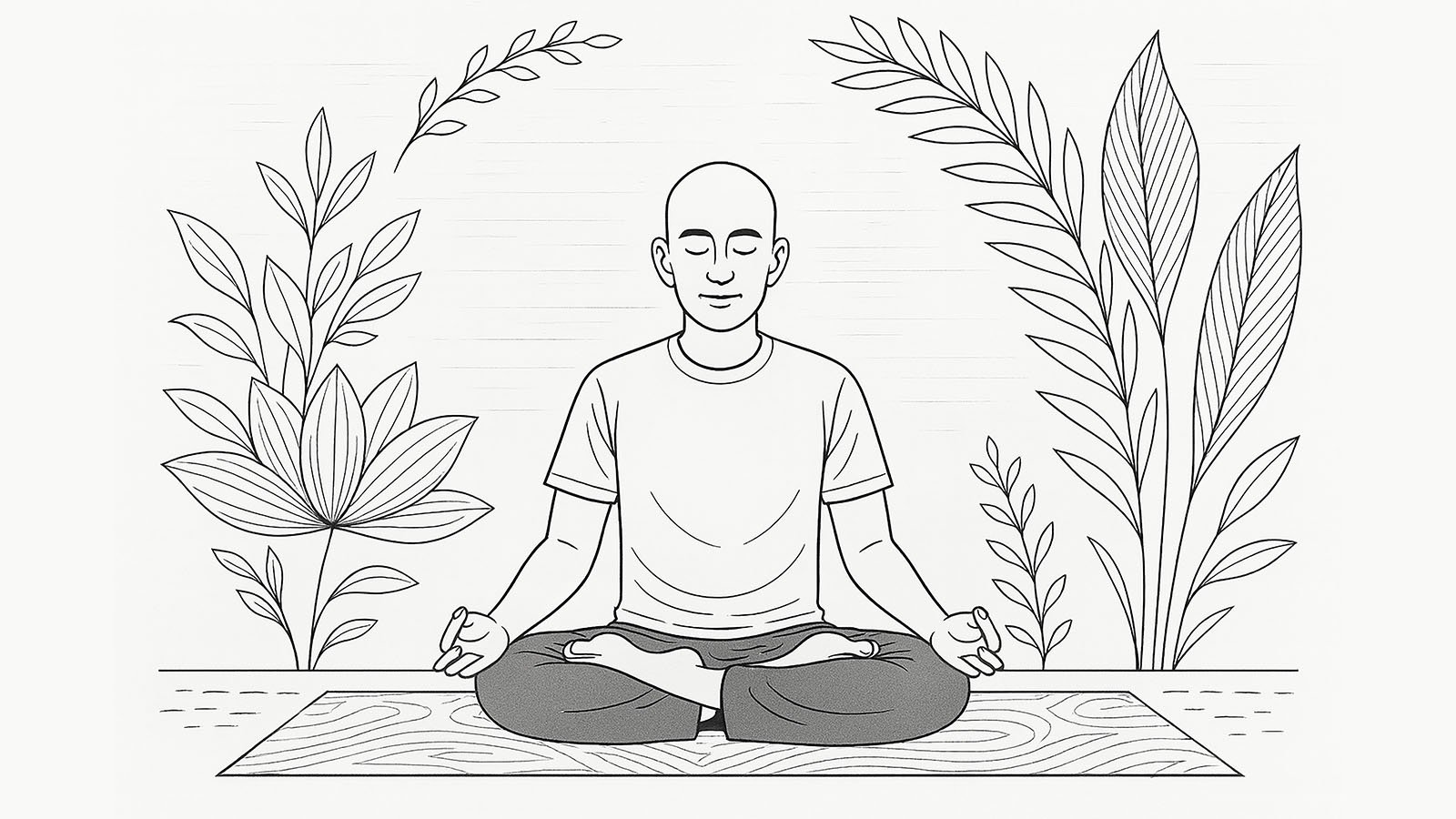
    Meditative Asans are postures designed for prolonged, stable sitting. These include classical poses like Padmasan (Lotus Pose), Siddhasan, and Sukhasan, which enable the practitioner to remain still and comfortable for extended durations without fatigue. The primary goal of these postures is not physical exercise but the stabilization of the body to support deeper mental and spiritual practices such as Pranayam, Dharana, and Dhyan. These postures cultivate mental clarity, focus, calmness, and inner peace, creating the ideal environment for the mind to detach from external distractions and turn inward. By bringing steadiness to the body, meditative Asans help pacify the restlessness of the mind and uplift the spirit.

    On the other hand, Cultural Asans are dynamic in nature and focus primarily on strengthening and revitalizing the physical body. These postures act as a bridge between physical wellness and spiritual progress. Cultural Asans work by regulating the flow of Prana (vital life force) through the body’s channels, thereby maintaining internal balance and harmony. They invigorate the internal systems and play a critical role in preventing and curing illnesses. Regular practice of cultural Asans improves flexibility, stamina, muscle tone, joint mobility, and overall physical vitality. Moreover, they help to release stored tensions, stabilize emotions, and cultivate self-control, thus preparing the practitioner for higher yogic disciplines.

    The specific benefits of practicing cultural Asans include:

    • Enhanced strength, energy, and endurance
    • Increased flexibility and mental alertness, which sharpens memory and builds self-confidence
    • Improved functioning of the respiratory, circulatory, digestive, and endocrine systems
    • Deep stimulation and toning of internal organs, muscles, ligaments, and tendons
    • Relief from physical ailments like aches, stiffness, and chronic conditions

    Together, both categories of Asans form the bedrock of physical and mental discipline in Yoga, leading toward a state of perfect health, balance, and spiritual readiness.

    — The Relevance of Asans in Today’s World —

    The ancient Yogic scriptures suggest that there are an astonishing 8.4 million asans, each symbolizing a form of life. It is believed that only Lord Shiva, regarded as the original founder of Yoga, is aware of all of them. However, traditional texts describe only a limited number—approximately 84 well-documented postures, most of which are meditative in nature. This reflects the ancient sages’ emphasis on inner stillness and spiritual pursuit over physical conditioning.

    In contrast, modern society has seen a shift in how Asans are approached and practiced. Today, there is growing recognition of the physiological and therapeutic benefits of Yogic postures, especially the cultural Asans that target physical health and energy flow. As a result, Yoga has gained worldwide acceptance not just as a spiritual path but also as a holistic health system. Modern teachers and authors have responded to this global interest by introducing hundreds of new cultural postures.

    While gymnastics and fitness regimes aim to enhance physical appearance and muscle strength, they often neglect the vital connection between body, mind, and soul. In contrast, Hathyog Asans foster internal harmony. They not only improve posture, strength, flexibility, and organ health, but also elevate mental clarity and spiritual consciousness.

    Another remarkable feature of Asans is their universal accessibility. Unlike strenuous exercise routines that may be unsuitable for older adults or those with physical limitations, Asans can be practiced by people of all ages and body types. There are no gender barriers in Yogic practice either—women often excel in Asan performance due to their natural flexibility and grace.

    In today’s world, where stress, lifestyle disorders, and disconnection from inner peace are common, the practice of Asans stands as a timeless and inclusive solution—one that integrates physical wellness with emotional stability and spiritual growth.

    Asan, in the Yogic tradition, is not merely a form of physical activity—it is a scientifically designed series of movements meant to harmonize the inner and outer aspects of the human being. These postures work not only on the body’s surface muscles but also on the deep control centers within, promoting balance, energy conservation, and subtle awareness. Asans help generate vitality without exhausting the body. Unlike conventional exercise routines, which often aim for outward muscular strength, Asans encourage stillness, internal awakening, and spiritual evolution. They unify the mind, body, and heart—the sacred triad where the spirit resides.

    Below are some simple comparisons between Asan and physical exercises. These points highlight how Asans affect the body, mind, and energy differently than regular workouts. Each comparison helps to understand their unique impact on overall well-being.

    1. Asan increases longevity, while exercise builds a muscular body.

    2. Asan makes the body light, thin, and energetic, but exercise makes the body heavy, fleshy, and strong.

    3. Asan increases flexibility, whereas exercise often leads to a stiff and rigid body.

    4. Asan improves agility and sharpness, but exercise can cause laziness and dullness over time.

    5. Asan gives a feeling of freshness, while exercise usually causes tiredness and fatigue.

    6. Asan controls breathing and uses oxygen efficiently, but exercise increases breathing rate and wastes energy.

    7. Asan helps maintain smooth and balanced blood circulation, whereas exercise puts more pressure on the heart.

    8. Sweat from Asan is odorless, while sweat from exercise often smells bad.

    9. Asan encourages moderation in diet, but exercise can lead to overeating.

    10. Asan increases purity and calmness (Sattva Guna), while exercise may increase restlessness (Rajo Guna) and dullness (Tamo Guna).

    11. Asan preserves body essence and supports celibacy, whereas exercise may increase sexual desires.

    12. Asan improves brain power and memory, while exercise can dull the brain and reduce memory.

    13. Asan strengthens the nervous system, but exercise may reduce its sensitivity.

    14. Asan energizes internal organs and keeps them active, while exercise has no special effect on internal organs.

    15. Asan strengthens Prana (life force) and supports inner awareness, whereas exercise increases outward focus and has no effect on Prana.

    — Asans and Holistic Well-Being —

    Good health is not merely the absence of disease—it is a natural birthright of every individual. A truly healthy body is the foundation for living a joyful, meaningful, and fulfilling life. It brings enthusiasm, sustained energy, stamina, and emotional balance. At the same time, it allows one to experience true rest and relaxation. Such a body is capable of facing all kinds of physical, emotional, and mental stress without being disturbed. It becomes naturally immune to many illnesses and remains constantly active, responsive, and aware.

    However, physical and mental capabilities grow and evolve only when they are used mindfully and appropriately. If they are overused, misused, or neglected, deterioration sets in. Muscles weaken, nerves lose sensitivity, and the mind becomes dull and restless. Yoga emphasizes that a pure, stable mind can only thrive in a healthy, well-functioning body. Both the body and the mind require the right balance of movement, nourishment, and rest to maintain this harmony.

    Asans, or yogic postures, are one of the most effective means of maintaining and restoring this balance. They offer the necessary physical movement to the body while simultaneously reducing accumulated stress and tension from both body and mind. Unlike rigorous workouts that often exhaust energy, Asans conserve and channel it. Regular practice helps to purify the body, rejuvenate tired systems, and gradually lead it back to its natural state of wellness. As the body becomes lighter and healthier, the mind too begins to calm down—creating the perfect foundation for advanced Yogic practices like pranayam and meditation.

    Yoga Asans are inclusive and adaptable, suitable for people of all ages. When practiced with sincerity and consistency, they promote inner coordination among the body’s muscles, nerves, and organs. This integrated activity leads to the development of ideal body rhythms, internal cleansing, and lasting immunity. Over time, one develops greater endurance, flexibility, and vitality, along with strong internal organs and a balanced mental state.

    In the Yogic path, the body and mind are not separate—they are the instruments for spiritual advancement. The body acts as the vehicle, and the mind as the driving force. For a sincere seeker, maintaining both in excellent condition is essential. True Yoga, therefore, is not only about flexibility or strength—it is about unifying the body, mind, and spirit to live in complete health, clarity, and awareness.

    — Asan’s Impact on Subtle Body —

    The practice of Asans in Yoga goes far beyond simple physical movements. Each posture is carefully crafted and executed through a series of slow, mindful, and controlled actions. These gradual movements are not random—they are systematic patterns that lead the practitioner into a stable and purposeful position. As one flows naturally into these postures, both the body and mind are gently disciplined. With regular and correct practice, the practitioner begins to develop a deeper awareness of subtle inner energies and capacities that often remain hidden in daily life.

    Unlike other forms of physical exercise that focus solely on external muscle development, Asans work from the inside out. They awaken and align the body’s inner systems while also refining the awareness of the mind and spirit. This integrated awareness helps bring together the physical body, the emotional mind, and the spiritual self into a state of unity. Over time, the practitioner becomes more conscious of their own physical structure, mental tendencies, and latent spiritual strength—leading to holistic self-improvement.

    When performed with full attention, Asans begin to produce not only physical but also psychological and spiritual effects. These effects become even more powerful when the Asans are combined with other yogic techniques such as Bandhs (energy locks) and Nauli (abdominal muscle control). These practices stimulate the deeper energy centers of the body, igniting spiritual awareness and psychic development—elements often missing in conventional fitness systems.

    Yogic texts teach that the physical control centers of the gross body are closely connected with the psychic energy centers, or chakras, of the subtle body. As Asans stimulate these chakras, the body’s latent energy, known as Prana, is awakened. This energy begins to flow more freely, and the practitioner may experience the movements becoming spontaneous, effortless, and deeply harmonious. Such effortless flow is a sign that the practice has become meditative in nature.

    These natural and smooth bodily movements, arising without strain or force, are often described as “meditation in motion.” They represent the deeper purpose of Yoga—not just to move the body, but to merge movement with awareness, breath with consciousness, and form with energy. It is in this space that true transformation begins—where the external discipline of Asan turns inward and awakens the highest potential of the human being.

    — Establishing Practice of Asans —

    To gain true and lasting benefits from the practice of Asans, regularity and consistency are essential. Like any meaningful discipline, Asans yield the best results when practiced as a part of one’s daily routine throughout life. The only real requirements are a genuine desire, inner motivation, and a willingness to follow the path with patience and discipline.

    True progress in Asans is not immediate. Mastery cannot be achieved in just a few days or months—it is a gradual process that unfolds over time. In fact, it may take years of steady practice to gain deep proficiency. In rare cases, even after prolonged effort, perfect execution may remain elusive. However, this should never discourage a sincere practitioner. The journey itself is valuable. With persistent and faithful practice, the body and mind will slowly open up, and each session will bring improvement. Over time, this persistence builds not only skill but also deeper patience and enthusiasm.

    While Asans are generally safe and beneficial for most people, certain age and health considerations must be respected. It is not advisable for children under the age of eight to begin practicing Asans. During those early years, outdoor play and natural movement provide sufficient physical activity. From the age of eight onward, children may begin with simple postures. Gradually, as they develop strength and awareness, they can move on to more advanced ones. Anyone over the age of fifteen and in reasonably good health can begin Asan practice confidently. However, individuals with known or suspected health conditions should first consult a physician before starting.

    A positive mental attitude and a calm environment are key to beginning your practice. It’s recommended to start with simple postures, ideally choosing around twenty basic Asans from various categories to ensure that all parts of the body are exercised. As the body becomes familiar with these, one can slowly transition to more challenging postures meant for intermediate levels.

    It is important to remember that perfection is not required to experience the benefits of an Asan. Even if one cannot fully achieve the ideal posture, sincere effort brings physical and mental gains. A slight sense of effort or mild discomfort is acceptable, but one should always avoid forcing or over-straining the body. Each individual must respect their own limits based on age, health, and physical ability.

    As the body gradually adapts, initial stiffness and soreness will naturally decrease. Muscles become conditioned and more flexible with time, preparing the body for deeper and more refined practices. A few weeks of consistent effort can ease early discomforts and help establish a rhythm.

    Asans should always be performed with a sense of ease and mindfulness. This means maintaining flowing, relaxed movements, being aware of breath, and avoiding abrupt or forceful actions. A key element of effective practice is the coordination between breath and movement—this connection allows the posture to become effortless and meditative. When breath guides the motion, and the mind stays focused, the Asan transforms into a deeply healing and balancing experience.

    — Precautions for Safe Practice —

    The true goal of Yoga is to refresh and energize both the body and the mind—not to exhaust or strain them. Every Asan should be practiced with a sense of ease, calm, and awareness. During the session, the body and mind must remain as relaxed as possible, so that the practitioner feels fresh and revitalized at the end rather than tired. Each posture should be executed slowly, gently, and without force, following a natural and relaxed rhythm.

    Fast or abrupt movements can disrupt the body’s internal balance and lead to side effects such as dizziness or even fainting. Therefore, it is important to move in and out of each posture with fluidity and mindfulness. Transitions between positions should be smooth and deliberate, rather than rushed or mechanical.

    Never try to force the body into any posture. If a movement causes pain or discomfort, stop immediately. Each person’s body is different, and the ability to stretch, bend, or hold a position varies from person to person. One should honestly assess their own strength, flexibility, and stamina, and never compare their progress with others. The key to success lies in understanding your own limits and respecting them.

    Proper Asan practice is about quality, not speed. The postures must be performed thoroughly and mindfully. Overdoing one posture while neglecting others creates imbalance. If a particular Asan feels difficult or uncomfortable, reduce its repetitions or modify the posture. As the body becomes more flexible and adjusted, the duration or number of repetitions can gradually be increased. Let common sense guide how long each posture is held and how fast you progress.

    Avoid pushing your body to the point of fatigue or exhaustion. Overexertion can be harmful and may lead to strain on muscles, nerves, the heart, or the lungs. Such strain contradicts the very essence of Yoga, which is about balance and harmony. On the other hand, moderate and balanced practice leaves the practitioner feeling light, peaceful, and refreshed.

    Ultimately, the practice of Asans should be pleasurable, not painful. Movements should be efficient and minimal, aimed at conserving energy rather than draining it. Even while muscles are engaged, the overall posture should feel relaxed and composed. When practiced mindfully, Asans become a source of vitality, clarity, and joy—not just a physical routine, but a harmonious experience for the body and mind alike.

    — Technique of Asan Practice —

    The true essence of Asan practice lies not just in achieving the right posture, but in how it is performed—with awareness, breath coordination, and mental presence. One of the most important principles in Yogic practice is to synchronize the breath with the body’s movements. This harmony between breath and motion brings about inner calmness, a sense of balance, and encourages the mind to turn inward. Such a conscious and mindful approach is the key to experiencing the full benefits of Asans.

    Success in the practice depends largely on maintaining poise, balance, and mental attention. It is not enough to move the body mechanically. Each movement must be guided by focused awareness. By concentrating on muscular activity, motor coordination, and breathing patterns, the mind becomes aligned with the body, transforming the posture into a meditative experience. Without this focus, even technically correct postures may feel empty and fail to produce the desired effects.

    When entering into a posture, the movements should be slow, gentle, and continuous, avoiding any sudden or jerky transitions. As the final position is reached, it should be held steadily and without unnecessary motion, like a still and composed statue. This stillness indicates mastery and control. After holding the posture for a comfortable duration, it should be released in reverse order, just as slowly and mindfully as it was entered. This mindful exit ensures the body remains relaxed and stable.

    Between postures, allow the muscles to rest completely for a minute or two. This rest is not idle—it allows the body to recover, absorb the benefits of the posture, and prepare for the next. Skipping rest may lead to fatigue and reduce the effectiveness of the practice.

    Unless specifically instructed otherwise, always breathe through the nostrils while performing Asans. The breath should be deep, slow, and natural, ideally following the pattern recommended for each specific posture. Proper breath control not only supports physical movement but also steadies the mind and enhances the flow of Prana (vital energy).

    In certain postures, it is advised to keep the eyes closed in the final position to help withdraw the senses and promote mental stillness. In other postures where alertness and precision are required, the eyes may remain open to maintain awareness of alignment and balance.

    When posture, breath, and attention are united, Asan practice becomes more than physical—it becomes an inward journey of awareness, tranquility, and transformation.

    — Essential Guidelines for Practicing Asans —

    To truly benefit from the practice of Asans and to ensure safety, it is strongly recommended to learn under the guidance of a qualified and experienced Yoga teacher. A skilled instructor can offer personalized corrections, observe posture alignment, and guide breathing techniques—factors that are crucial for proper progress. While books and photographs may serve as useful references, they often fail to convey the subtle details and energetic alignment that are critical for safe and effective performance.

    Learning directly from a teacher also helps to avoid common mistakes that may go unnoticed when practicing alone. Even slight errors in technique or posture alignment, when repeated regularly, can lead to strain, imbalance, or even injury. Without proper instruction, the practitioner may unintentionally develop incorrect habits that are difficult to unlearn.

    However, if access to a Yoga teacher is limited or not possible, and one must rely on books for learning, then extra care should be taken. Begin by thoroughly reading the instructions for each Asan, making sure to understand every step before attempting it physically. Pay close attention to any cautions or restrictions mentioned—these are important and should never be overlooked, especially if a particular posture carries risks for individuals with specific health conditions.

    Once the written technique is clearly understood, study the accompanying illustrations carefully. These visual guides help form a mental picture of the final posture and provide reference for body alignment. However, the image should only serve as a supportive guide, not a goal for perfection. Your posture may not look identical to the image—and that’s perfectly fine. The focus should always remain on correct method, safety, and gradual improvement.

    Ultimately, whether learning under a teacher or from a book, the key to successful practice is patience, consistency, awareness, and caution. With the right approach, even self-guided practice can become a meaningful and beneficial part of your Yogic journey.

    Those planning to begin Asan practice should carefully follow the guidelines outlined below.

    1. Maintain a disciplined lifestyle – Eat in moderation, follow regular sleep habits, and observe celibacy or self-control as much as possible.

    2. Practice on an empty stomach – Ensure that the stomach, bladder, and bowels are empty. Wait at least 3 hours after a meal and 1 hour after consuming beverages like milk, tea, coffee, or juice.

    3. Choose a fixed and convenient time – The best time to practice is early in the morning when the stomach is naturally empty, or shortly after bowel movement. Whether morning or evening, be consistent with your practice schedule.

    4. Avoid practice when unwell – Do not perform Asans if you are constipated, feeling uneasy, sick, or fatigued.

    5. Women should avoid Asans during menstruation.

    6. Select a quiet and disturbance-free space – Practice in a calm place, ideally secluded and free from noise or distractions. If practicing outdoors, avoid cold winds and drafts. Indoor spaces should be well-ventilated.

    7. Use a suitable surface – Practice on a folded blanket, thin rug, or light yoga mat. Avoid thick, soft, or spongy surfaces that can affect balance.

    8. Wear comfortable clothing – Keep your outfit minimal, non-restrictive, and suitable for free movement.

    9. Wipe off sweat when needed – Use a dry towel to gently remove perspiration without disrupting the practice.

    10. Rest briefly between postures – Take short relaxation pauses to recover and prepare for the next Asan.

    11. Maintain silence during practice – Stay quiet and focused throughout the session to enhance inner awareness.

    12. Conclude with Shavasan – Always end your practice with a few minutes of relaxation in the corpse pose to relieve fatigue and restore energy.

    13. Take a lukewarm bath afterward – Bathing after practice refreshes the body and helps prevent stiffness or tiredness.

    14. Wait before eating or drinking – Allow at least 30 minutes to pass after completing your practice before consuming food or beverages.

    — Wrapping Up: Asan- The First step towards Yog —

    In conclusion, Asan is far more than a physical practice—it is a foundational pillar of Yogic life that unites the body, mind, and breath in harmony. Regular and mindful performance of Asans leads not only to improved health, strength, and flexibility but also cultivates inner awareness, balance, and calmness. It prepares the practitioner for deeper stages of Yoga by establishing discipline, control, and sensitivity within the self. Whether one is a beginner or an advanced seeker, the journey through Asans brings both physical vitality and spiritual awakening. With patience, consistency, and respect for the body’s limitations, Asan becomes a powerful tool for personal transformation and holistic well-being.